
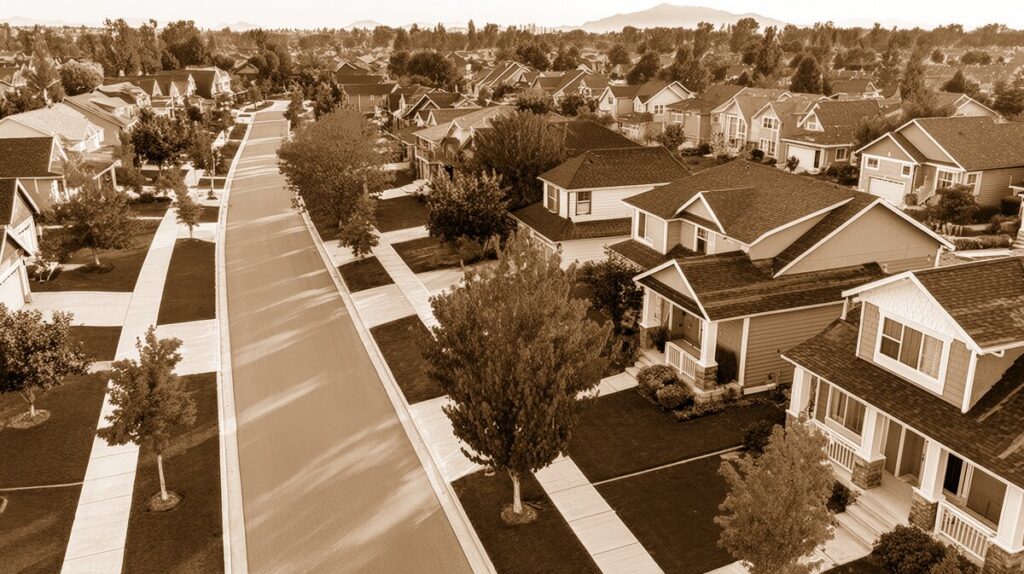
Nestled in the northern reach of Norfolk, Virginia, North Chesapeake Boulevard is more than just a thoroughfare—it’s a tapestry woven with local history, generations of families, and the unmistakable charm of close-knit community living. To drive down North Chesapeake Boulevard today is to travel through time, past landmarks and homes that each whisper a part of this neighborhood’s story. For lifelong residents and new arrivals alike, understanding the heritage of North Chesapeake Boulevard reveals what makes this place truly special.
Origins: From Waterways to Roadways
The story of North Chesapeake Boulevard begins in the early 1900s when Norfolk’s city planners sought to link growing residential areas with downtown and the Chesapeake Bay waterfront. With its proximity to both the Lafayette River and the Elizabeth River, this corridor soon became a vital artery for commerce and daily life. The area that would become North Chesapeake Boulevard was once bordered by marshland and farmland, its future shaped by the expansion of Norfolk’s streetcar system that brought city dwellers seeking breezes and space.
North Chesapeake Boulevard took its name from its practical position as one of the major northbound routes leading toward the Chesapeake Bay. Over time, “Chesapeake” came to symbolize the connection between land and water, commerce and community. It was a name that promised opportunity and a sense of place tethered to one of Virginia’s most storied natural features.
Key Historical Milestones
- Early 20th Century: The establishment of North Chesapeake Boulevard set the stage for residential development. The boulevard’s location, connecting Tidewater Drive and Granby Street, provided ideal access for workers at the Norfolk Naval Shipyard and burgeoning military bases during World War I and II.
- Post-War Suburbia: After World War II, returning veterans found affordable housing off North Chesapeake Boulevard. Streets like Parkland Avenue, Goff Street, and Walker Avenue saw rows of classic brick Cape Cod and bungalow homes rise, many of which still stand today.
- Suburban Growth: The post-war decades saw Norfolk’s suburban neighborhoods thrive. North Chesapeake Boulevard became a hub for family-owned businesses, churches, and civic organizations that supported the area’s growing population.
- Community Advocacy: Through the 1970s and 1980s, neighborhood associations formed to combat urban decline. Efforts to preserve historic homes and public spaces, such as Algonquin Park, became focal points for community pride.
Notable Landmarks and Institutions
While North Chesapeake Boulevard boasts quiet residential charm, it is punctuated by landmarks that anchor its heritage.
- Norview Elementary School: Located just off Chesapeake Boulevard, this school has educated generations of residents. Its longstanding presence reflects the neighborhood’s family-oriented roots.
- Trinity Baptist Church: With its iconic brick façade and community events, the church stands as a symbol of faith and service in the community.
- The Lafayette River: Though not a man-made landmark, this gentle waterway snakes along the neighborhood’s edge, providing scenic beauty and a reminder of the area’s origins as marshland. The river’s presence shaped not only the neighborhood’s development but also its recreational life, with generations of families fishing, paddling, and celebrating the outdoors.
- Northside Park: One of Norfolk’s best-loved green spaces, Northside Park sits near the northern end of Chesapeake Boulevard. Featuring athletic fields and wooded trails, it’s a centerpiece for outdoor lovers and hosts everything from soccer leagues to community picnics.
Streets That Tell a Story
Walking or driving the length of North Chesapeake Boulevard, you’ll notice how specific streets capture the neighborhood’s character:
- Norview Avenue: Once a streetcar line, today it’s a vibrant mix of homes and small businesses that reflect the area’s resilient spirit.
- Bonsack Avenue and St. Julian Avenue: Lined with classic bungalows and brick cottages, these streets showcase Norfolk’s mid-century architectural diversity.
- Plymouth Park: A nearby neighborhood just off Chesapeake Boulevard, with its eponymous park and a favorite local playground for children.
Evolution Through the Decades
North Chesapeake Boulevard has weathered change with a flexibility that’s come to define Norfolk’s neighborhoods. The late 20th century brought challenges—economic shifts, the rise and fall of local industries, and the ebb of city resources. Yet, residents rallied, forming neighborhood watch groups, planting community gardens, and championing renovations to public schools and parks.
In recent years, North Chesapeake Boulevard has become a microcosm of Norfolk’s broader revitalization. Vintage homes have been lovingly restored, small businesses rejuvenated, and longtime residents welcomed newcomers from across the country and around the world. Today, the neighborhood showcases a vibrant mix of cultures and generations, all contributing to a dynamic sense of place.
- * *
Heritage and Community: Yesterday, Today, and Tomorrow
There’s something about North Chesapeake Boulevard that lingers with those who pass through: a neighbor’s wave, the fragrant blooms in spring, the memories stacked like bricks in the homes along its side streets. The continuity of the boulevard’s past—marked by its waterways, churches, schools, and families—merges with an optimism for its future.
From its origins as an outpost by the waters of the Chesapeake, North Chesapeake Boulevard has grown to represent the spirit of Norfolk: resilient, welcoming, and proud of its roots. Whether you’re tracing the footsteps of early settlers or simply strolling to Northside Park on a Saturday, you’ll find yourself part of the ongoing story that defines this enduring neighborhood.